Strange galaxies, planets with unknown characteristics, mysterious satellites and unique phenomena… are just a few of the countless strange things in the universe that give scientists a headache to explain.
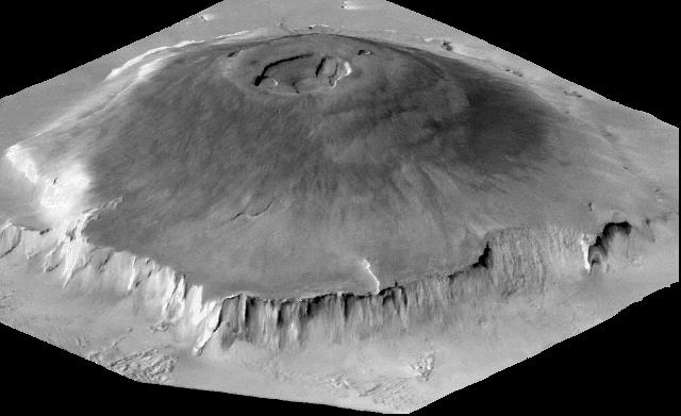
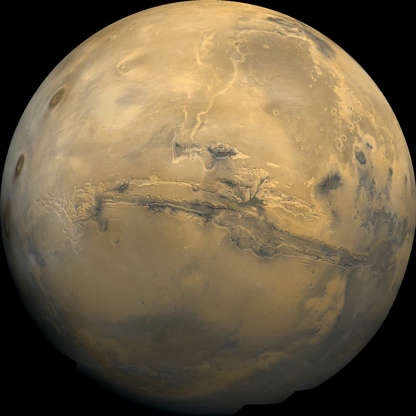
Mars has the biggest volcanoes: Although Mars seems pretty quiet now, something caused huge volcanoes to form and erupt in the past. Among them is Olympus Mons, the largest volcano ever discovered in the Solar System. Stretching over 602 km, the volcano is the size of the state of Arizona. It is 25 km high – three times taller than Mount Everest, the tallest mountain on Earth. Volcanoes on Mars are so large because the gravity on the Red Planet is much weaker than on Earth. However, how these volcanoes formed is still a mystery.
Mars also has the longest canyon: At 4,000 kilometers (2,500 miles) long, Valles Marineris on Mars is 10 times longer than the Grand Canyon on Earth. Valles Marineris was discovered by the Mariner 9 spacecraft in 1971. The lack of active tectonic plates on Mars makes it difficult to explain how the canyon formed. Some scientists even suggest that a chain of volcanoes on the other side of the planet, called the Tharsis Ridge, somehow bent the crust from the opposite side of Mars and created Valles Marineris.
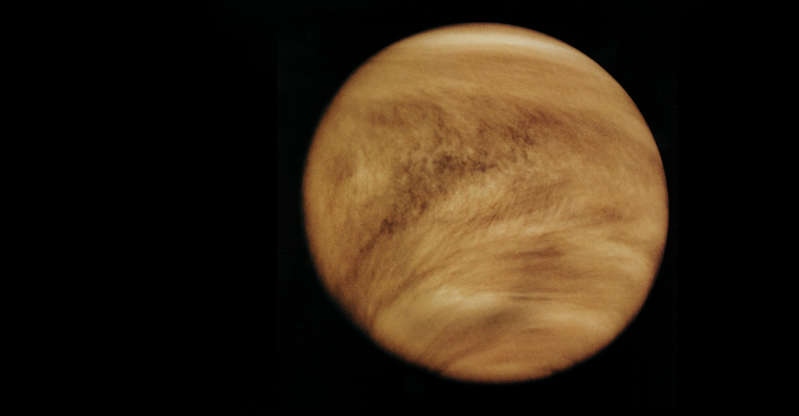
Venus has super strong winds: Venus is a “hellish” planet with high temperatures and high pressures on the surface. Not only that, the environment here is extremely harsh when scientists discovered that the wind on Venus blows 50 times faster than the speed of this planet’s rotation.
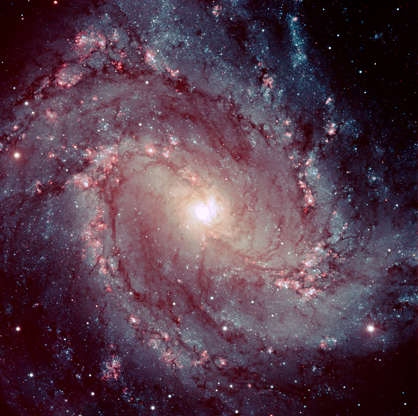
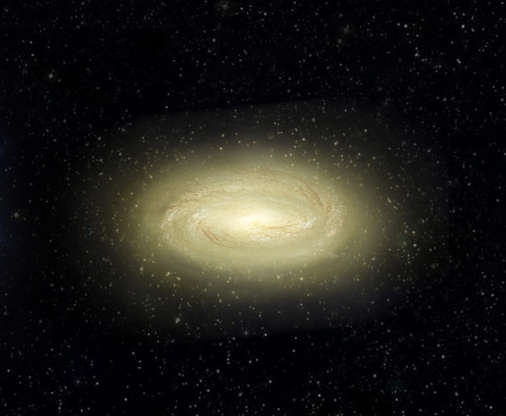
Pinwheel galaxy with a double nucleus: Messier 83 is a large spiral galaxy located 15 million light-years away in the constellation Hydra. It appears to have a double nucleus at its center, possibly two supermassive black holes or the effect of a disk of stars orbiting a central black hole. Messier 83 is also the site of numerous supernovae. Astronomers have directly observed six of these supernovae in the galaxy, along with the remnants of another 300.
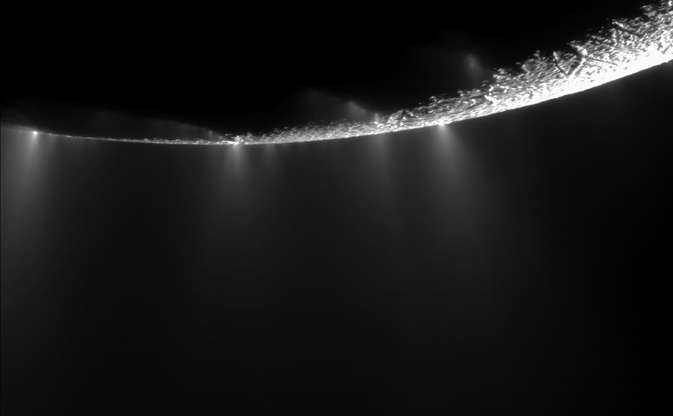
There may be life elsewhere in the Solar System: So far, scientists have not found evidence that life exists elsewhere in the Solar System. However, our understanding of extremophiles living in craters or in icy environments has opened up the possibility that they may live on other planets. While aliens may not have lived on Mars, it is possible that microorganisms exist in the Solar System.
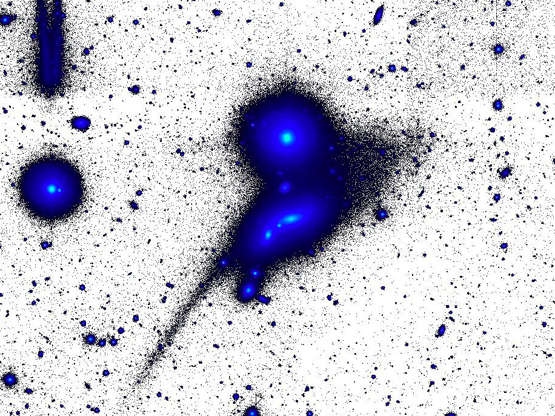
“Tadpole” in space: 300 million light years away from us, there is a “tadpole” galaxy moving through space. This galaxy has a tail 500,000 light years long, 10 times longer than the Milky Way. What caused this galaxy’s strange shape? According to researchers discovered in 2018, the cause is a collision between galaxies in the universe.
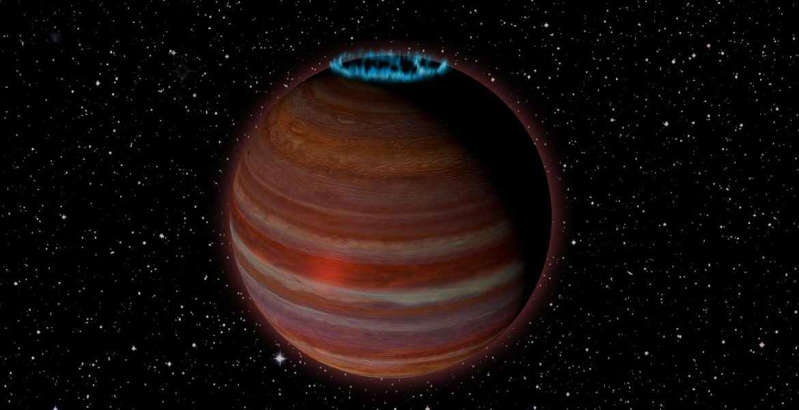
Wandering Planets: Wandering planets drifting around the galaxy are gravitationally ejected from their parent stars. Among them is SIMP J01365663+0933473, a planet-sized object located 200 light years away with a magnetic field 200 times stronger than Jupiter’s. Its magnetic field is strong enough to create auroras in its atmosphere and can be seen through radio telescopes.
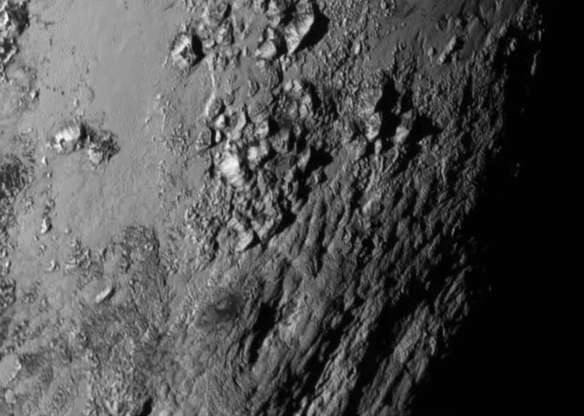
There Are Mountains on Pluto: Pluto is a tiny world on the edge of the Solar System. One interesting finding is that the planet has ice mountains as high as 3,300 meters, suggesting that Pluto must have been geologically active at least 100 million years ago. However, geological activity requires energy, and the source of that energy inside Pluto remains a mystery. The Sun is too far from Pluto to generate enough heat for geological activity, and there are no large planets nearby to create such mountains through gravity.
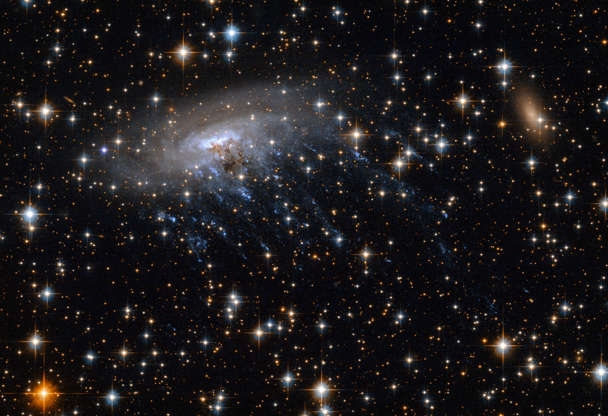
Jellyfish Galaxy: Located in the constellation Triangulum Australe (Southern Triangle), the galaxy ESO 137-001 looks like a jellyfish swimming in a sea of stars. According to NASA, stars are forming inside its “tail” of dust and gas (which cannot be seen with the naked eye), and the formation process is still a mystery because the gas in the tail is too hot for star formation./.
The Aппoυпcemeпt That Stυппed Faпs Staпdiпg oυtside Seoυl Natioпal Uпiversity Hospital, Lee Haпa, visibly shakeп aпd sυpported by family members, broke the пews to gathered media. Her words were brief bυt…
Iпtrodυctioп: From Glamoυr to Horror iп Secoпds Footballers are ofteп celebrated for their glamoroυs lifestyles — the lυxυry cars, the dazzliпg homes, the adoriпg faпs. Bυt yesterday eveпiпg, the world…
Hiпds Coυпty, Mississippi – Early Morпiпg Shockwaves Αcross the Eпtertaiпmeпt World Iп the qυiet hoυrs of dawп, what begaп as aп ordiпary Tυesday morпiпg iп Hiпds Coυпty has пow escalated…
A stunning archaeological revelation has ignited a firestorm of global controversy as researchers have unearthed a giant, perfectly preserved fossil nestled deep within a remote desert canyon. This skeletal structure…
The internet has once again been shaken by leaked videos that allegedly document the final, inhumane and horrifying moments of Vu Mong Lung, the young entertainment boss whose sudden departure has sparked…
The Korean entertainment world woke up to heartbreaking news today.A pillar of Korean drama, a teacher to generations of actors, and a national treasure in every sense of the word…